Visit

Western Uganda · Ankole sub-region

Discover Mbarara
District

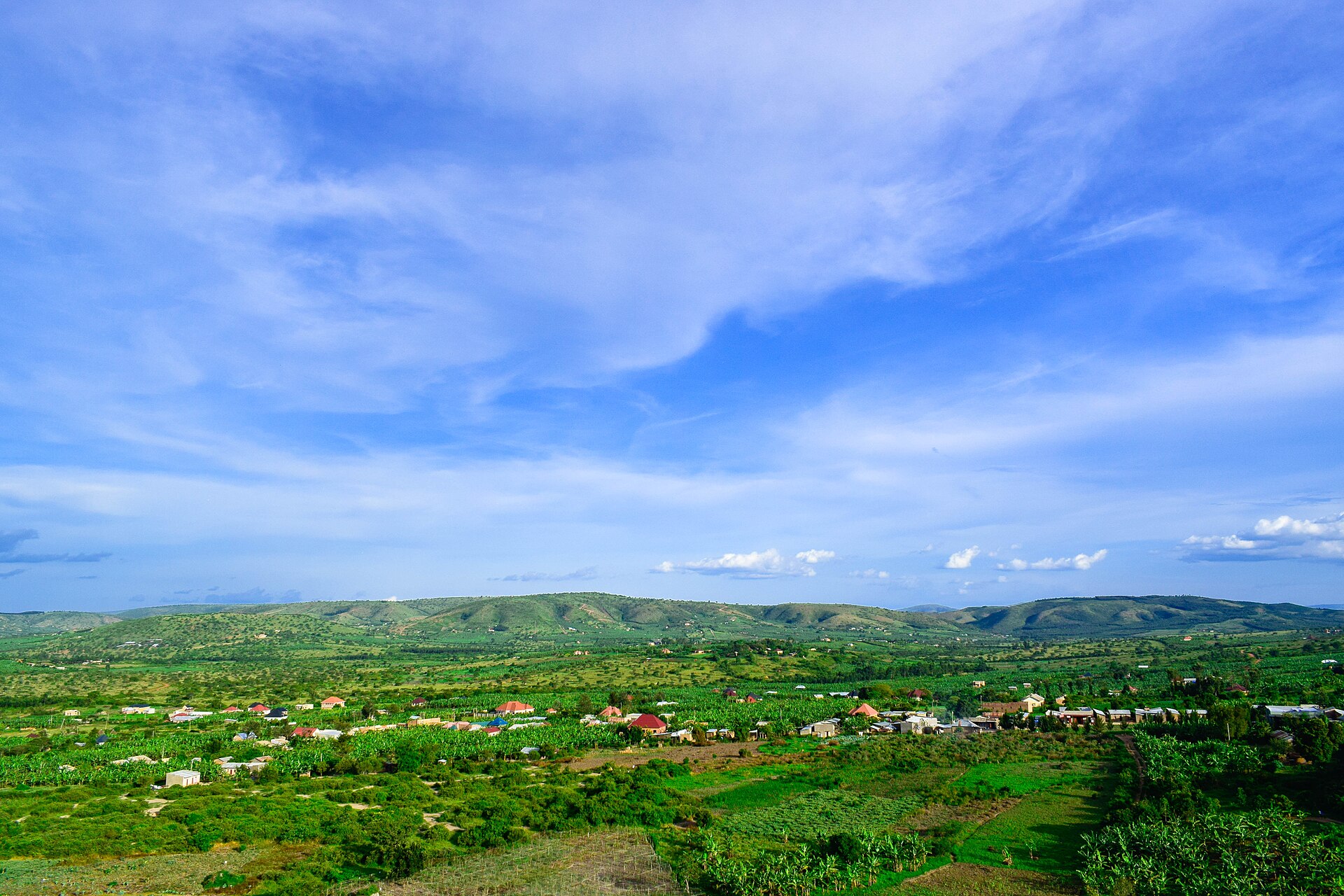
Rolling hills, long-horned Ankole cattle and the history of the Ankole kingdom, about 270 km south-west of Kampala and close to Lake Mburo National Park.
Explore
 
773
Square kilometres
174,039
Residents (2024 census)
2
Counties: Kashari North and South
270 km
From Kampala by road
Welcome to Ankole

The heart of Ankole cattle country

Mbarara District lies in the Ankole sub-region of western Uganda, around the busy regional centre of Mbarara City. Its two counties, Kashari North and Kashari South, are farming country: green hills and grassland where herds of long-horned Ankole cattle graze beside banana (matooke) gardens.

Visitors use Mbarara as a base for Lake Mburo National Park, for the cultural sites of the Ankole kingdom, and as a comfortable stop on the road to the national parks and highlands of the south-west.

What to see & do

Places worth the trip

Royal history, a living museum and one of Uganda’s most accessible national parks, all within an easy drive of Mbarara.

A hilltop monument at Biharwe marking the eclipse of about 1520 AD, remembered in Ankole history.
The former palace of the Omugabe at Kamukuzi and the royal burial grounds on Nkokonjeru hill.
Zebra, impala, hippos and around 350 bird species, about 30 km east of Mbarara.
A museum, cultural village and country hotel at Biharwe that tells the story of Ankole and its neighbouring kingdoms.
Living heritage

Long horns, royal drums and ghee

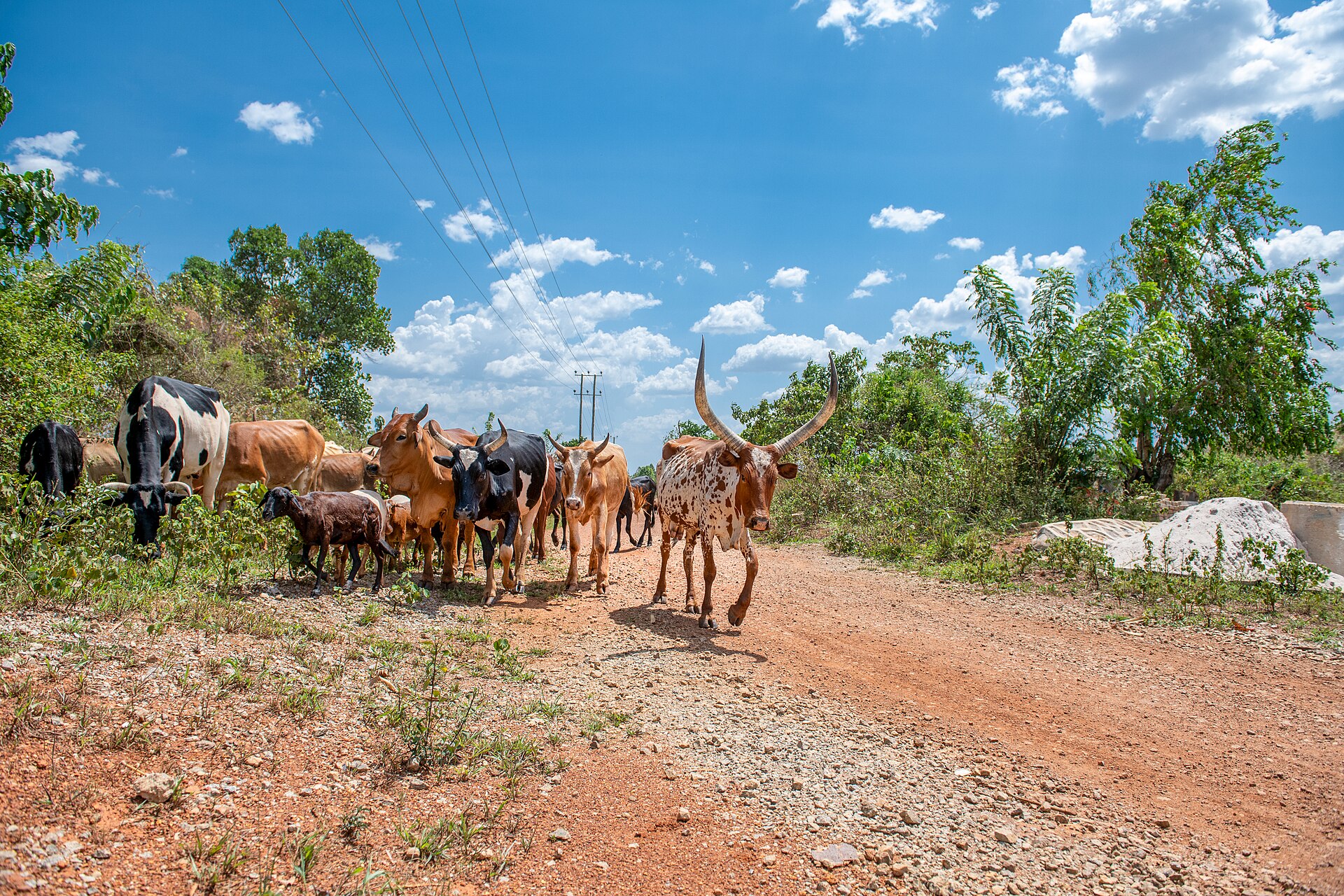
Cattle have shaped life in Ankole for centuries. They are wealth, gifts at weddings and the subject of songs and poems, and the history of the Ankole kingdom is still told at its palace, its royal burial grounds and at Igongo.

Ankole long-horned cattle

The Ankole breed, with its huge curved horns, is central to local life, wealth and ceremony. You will see herds on almost any drive through Kashari.

The Ankole kingdom

The former palace at Kamukuzi and the royal burial grounds on Nkokonjeru hill recall the Obugabe, the kingship of Ankole.

Food and drink

Try eshabwe, a rich ghee sauce served with matooke or millet bread, fresh milk and yoghurt from local farms, and obushera, a drink made from millet or sorghum.

Song and dance

Ekitaguriro, the Banyankore dance that copies the movement of cattle, and okwevuga, recited praise poetry, are performed at weddings and cultural events.

PLAN YOUR VISIT

Practical Information

Best time to visit

Mbarara has a mild highland climate all year. The drier months, roughly December to February and June to August, are best for game drives at Lake Mburo and for travel on rural roads.

Getting here

Mbarara is about 270 km south-west of Kampala on the tarmac Kampala–Masaka–Mbarara highway. Buses and taxis run daily from Kampala. There is also a small airport about 10 km north-west of the city.

Where to stay

Mbarara City has hotels and guesthouses for every budget. Igongo Cultural Centre has a country hotel, and there are lodges and campsites, including Rwenjeru Community Campsite, on the edge of Lake Mburo National Park.

Language and people

Runyankore is the main local language. English is widely spoken and Swahili is understood. The Banyankore are proud of their cattle-keeping traditions and welcome visitors warmly.

Photos: Biharwe Hill by Alvinategyeka; Ankole cattle by Joekyabby1; Kitami’s palace by B722N. CC BY-SA 4.0, via Wikimedia Commons.

Recent Posts